Wood Fence Installation and Repair in Crestwood, Missouri
A well-built wood fence can add privacy, improve the way a backyard feels, and create a safer space for children and pets. Makic Fence and Deck installs and repairs cedar and treated-pine fences throughout Crestwood for homeowners, rental properties, businesses, and other local property owners.
Crestwood has many established neighborhoods with mature trees, sloped yards, older fence lines, patios, retaining walls, and limited access between homes. We plan each fence around the actual property instead of forcing every project into the same standard layout.
Our work is completed by experienced in-house installers. All fence posts we install are set in concrete, and we request public utility markings before digging begins. Customers receive a clear written proposal, dependable communication, and professional cleanup from a family-owned fence contractor that remains accountable for the finished work.
Learn more about our full range of local services on the Crestwood fence and deck contractor page.
Request an Estimate
Thank you for contacting Makic Fence and Deck.
We will get back to you as soon as possible.
Please try again later.
Wood Fencing That Fits Crestwood Homes
Wood remains one of the most flexible fencing materials because it can be built for privacy, pet containment, decorative boundaries, patio screening, or custom access around a property.
Common Crestwood wood fence projects include:
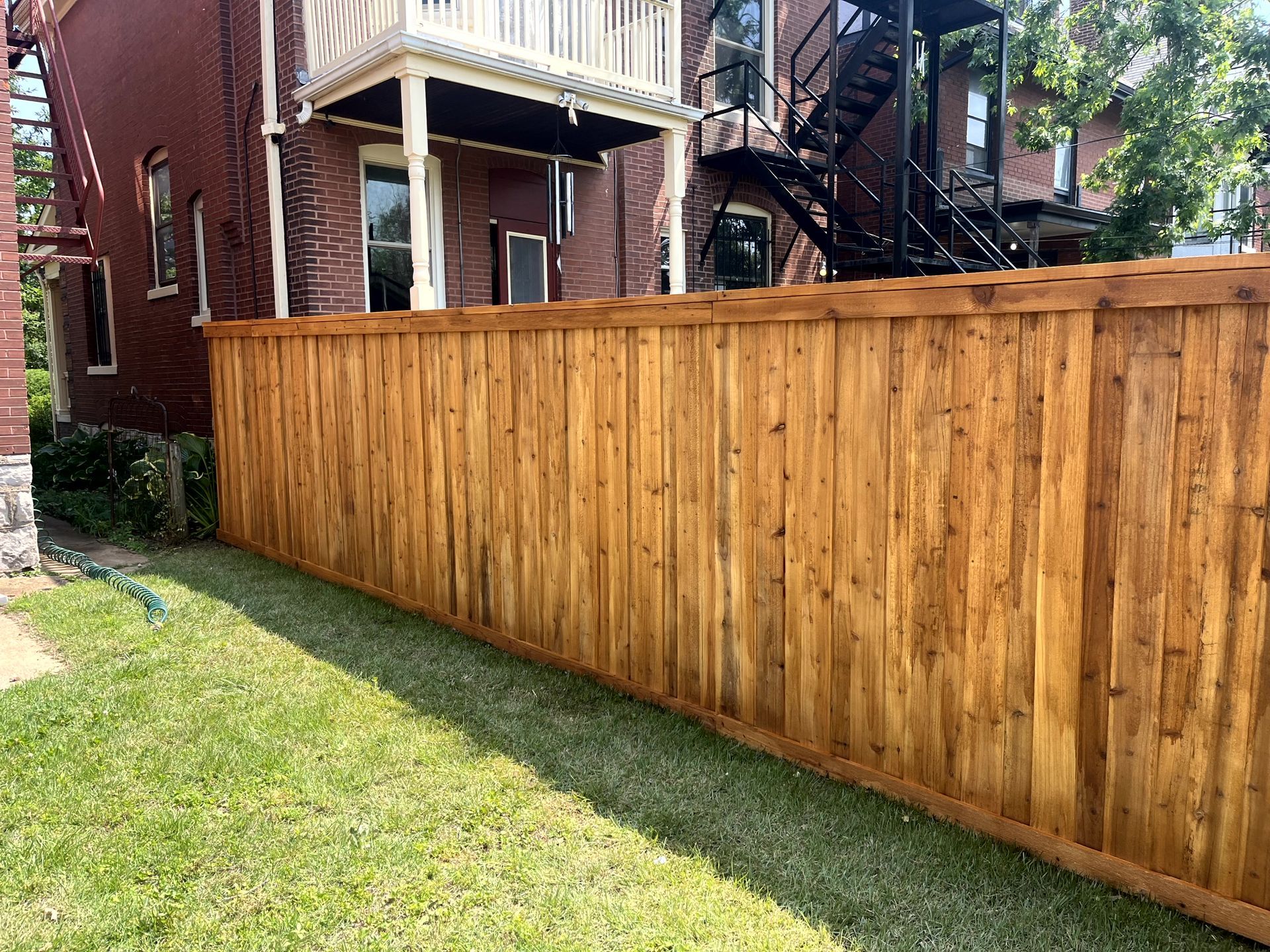
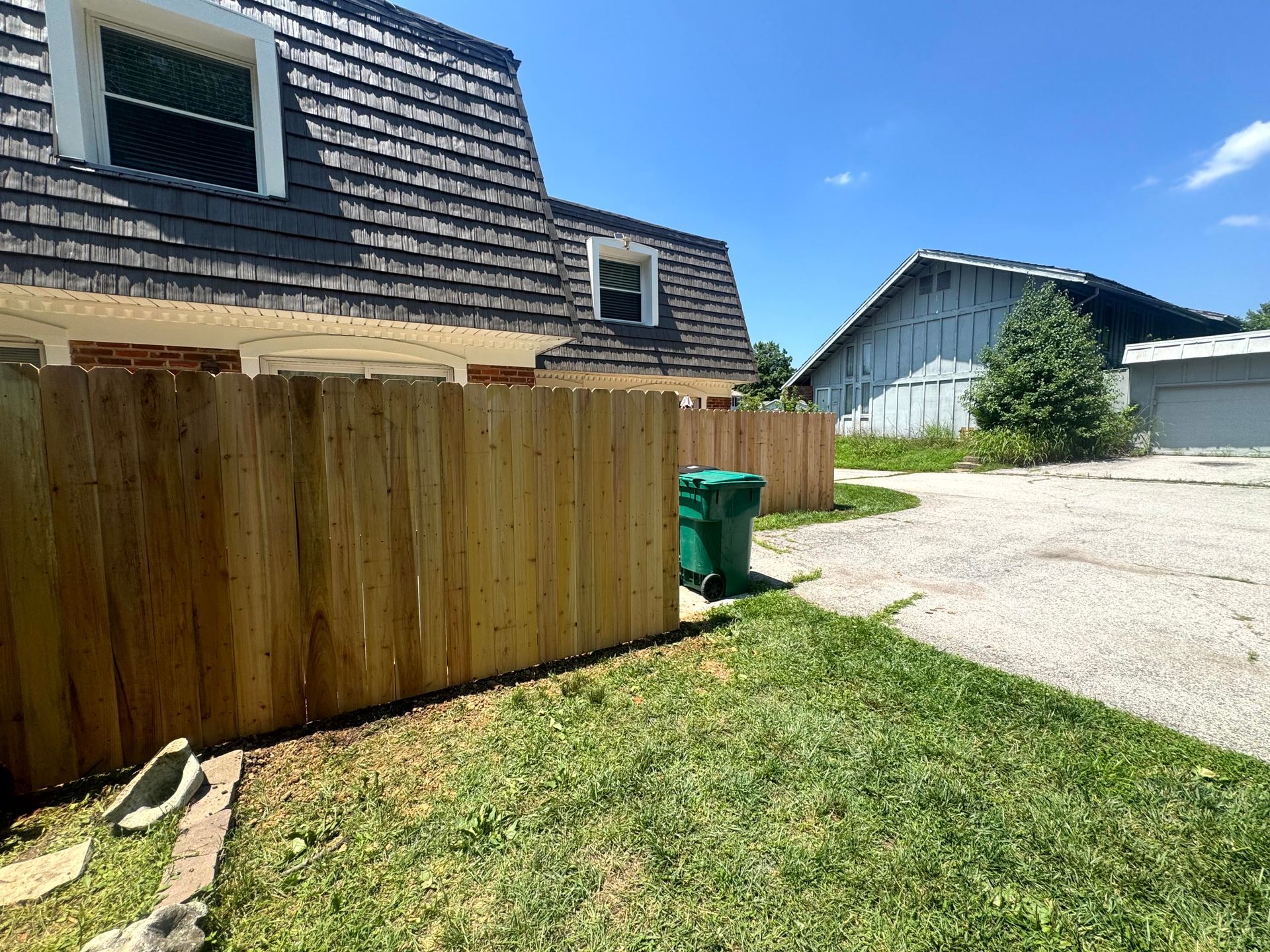
Cedar privacy fencing
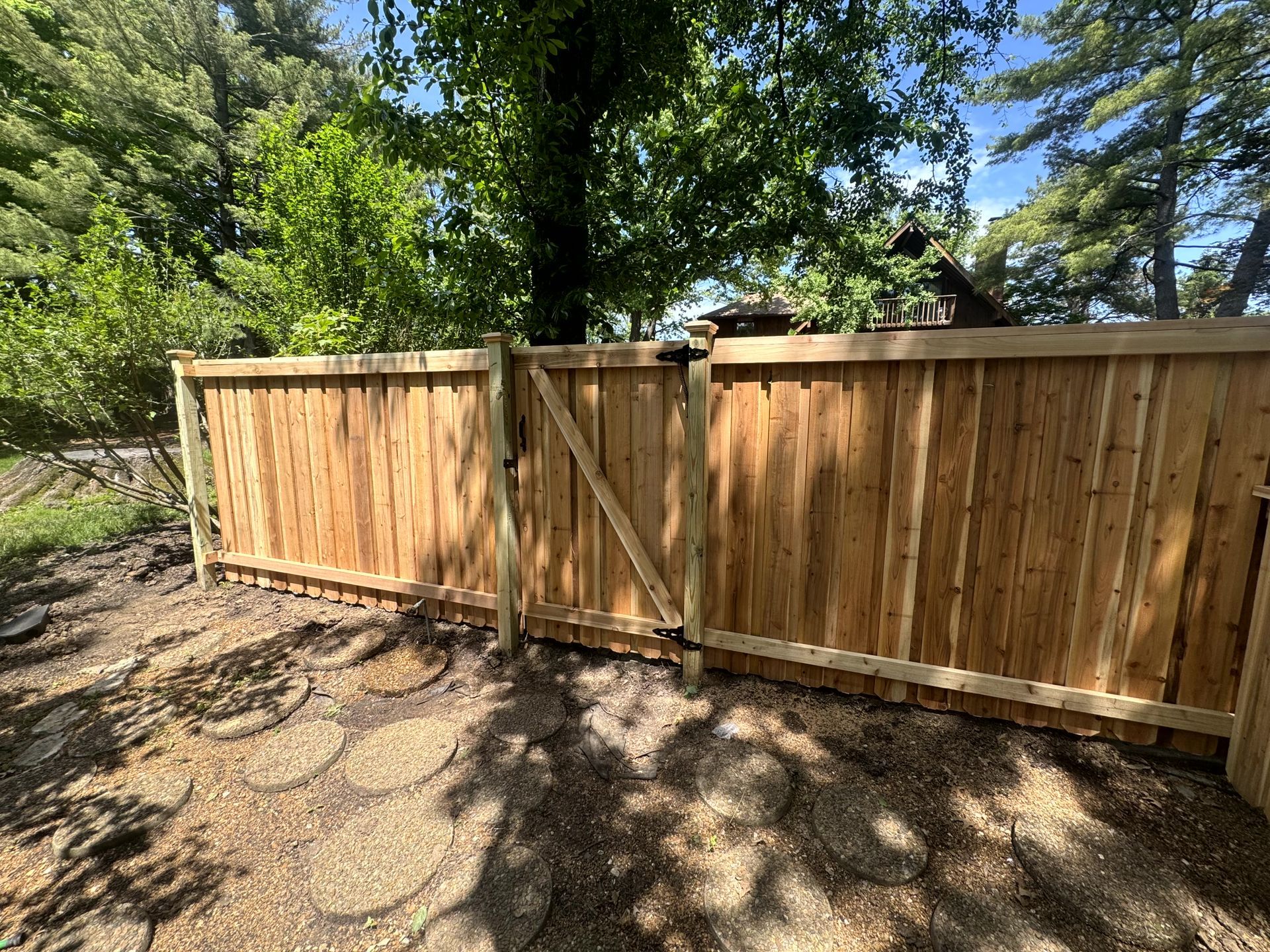
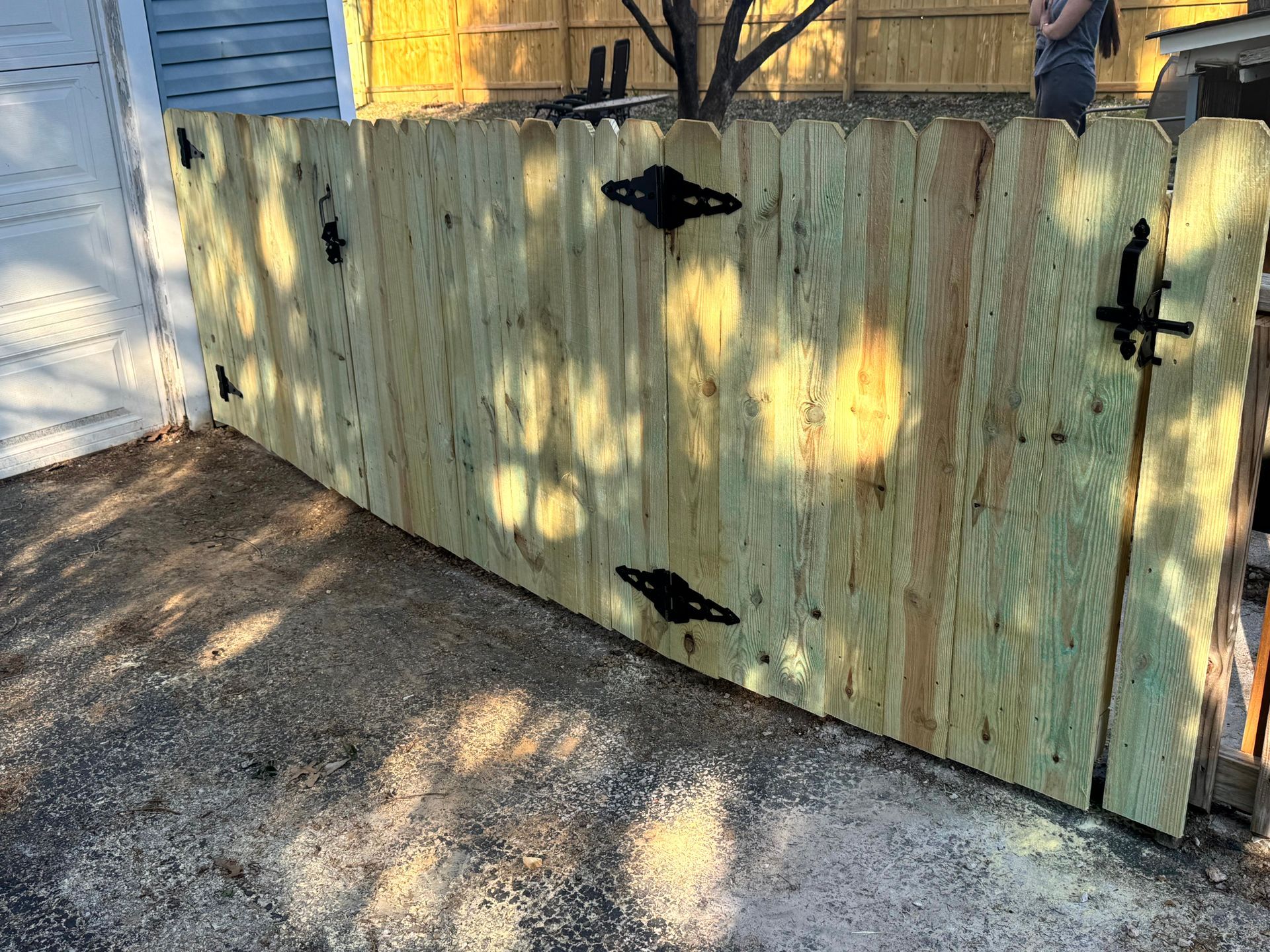
Treated-pine privacy fencing
Board-on-board fences
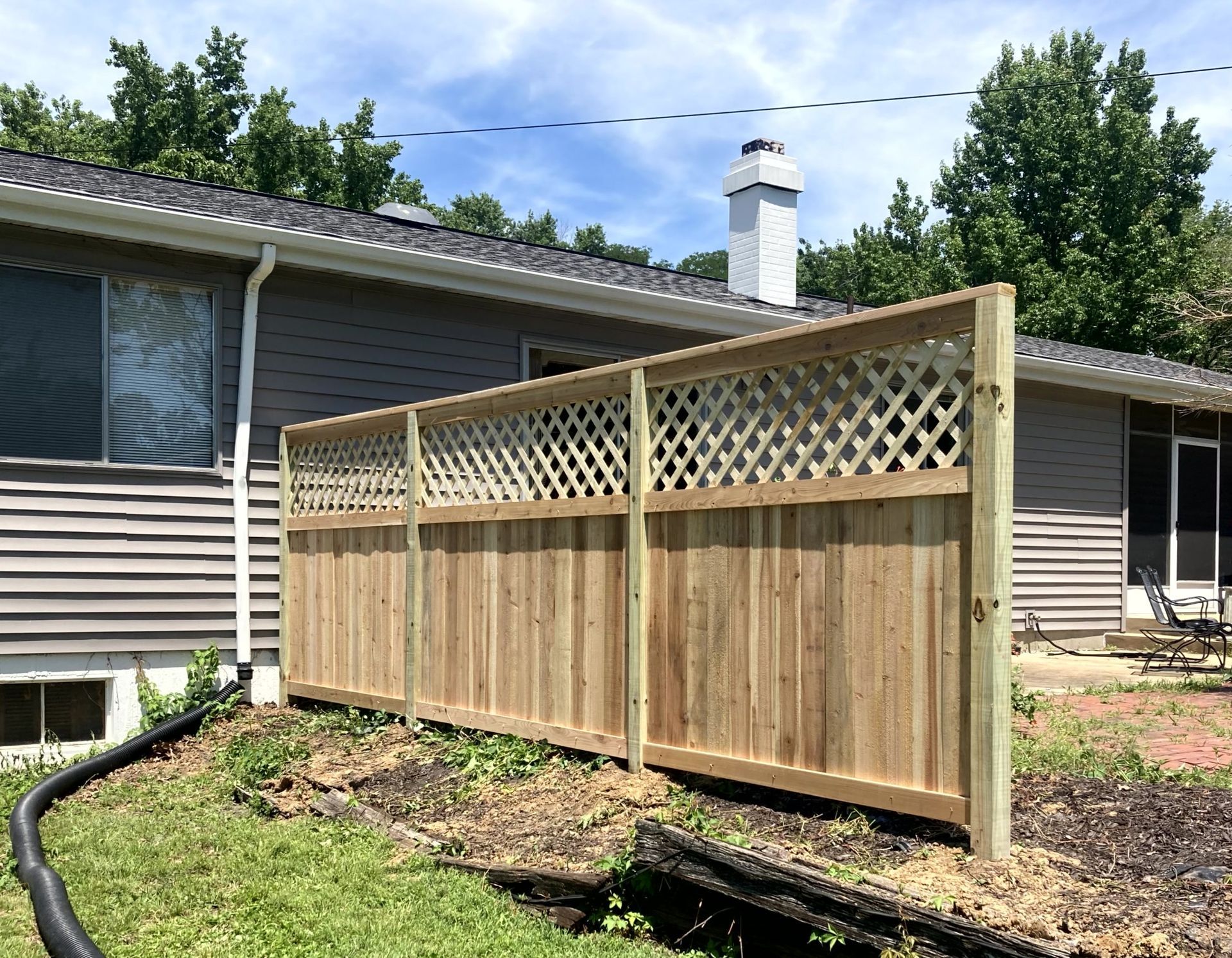
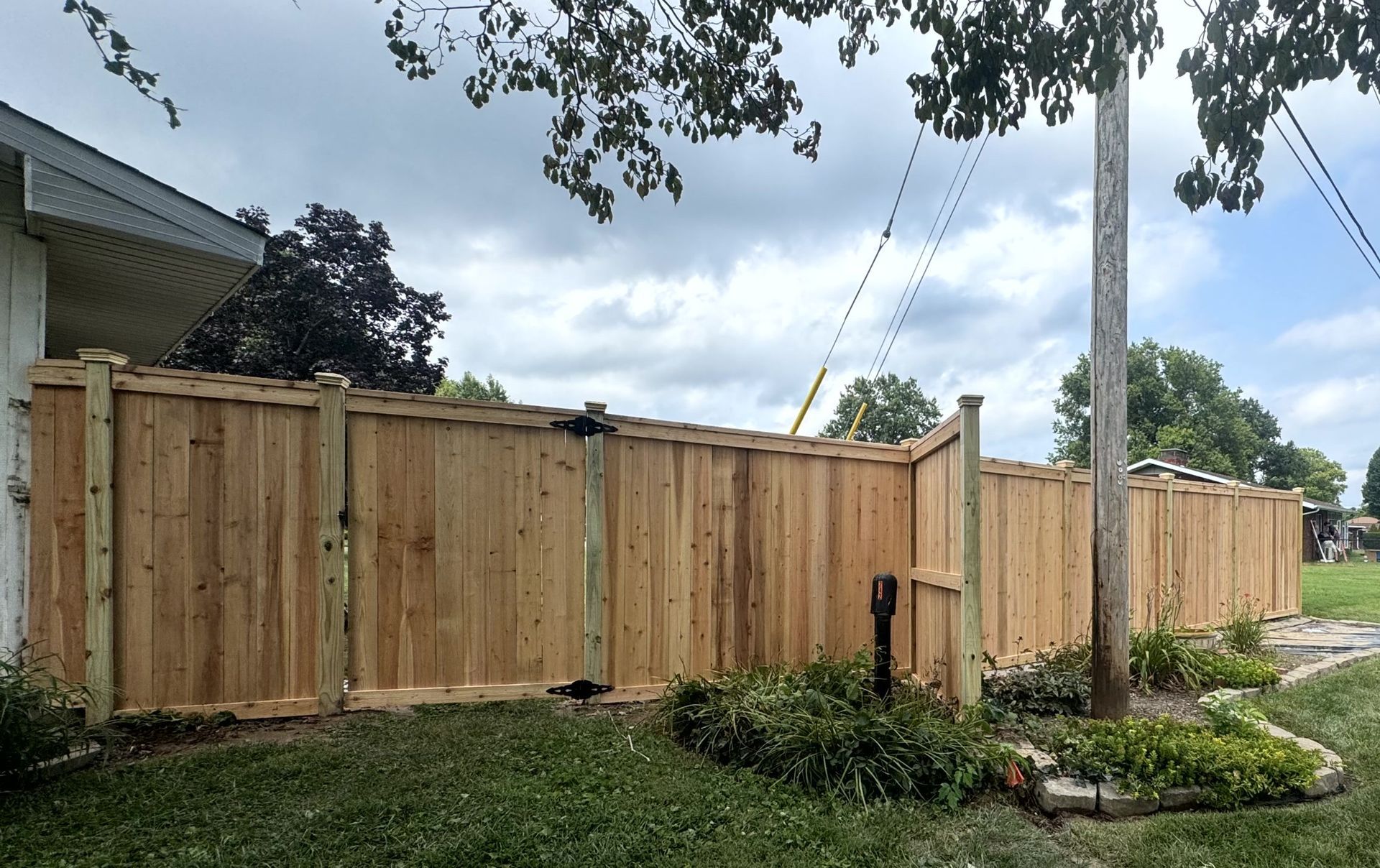
New England cap-and-trim styles
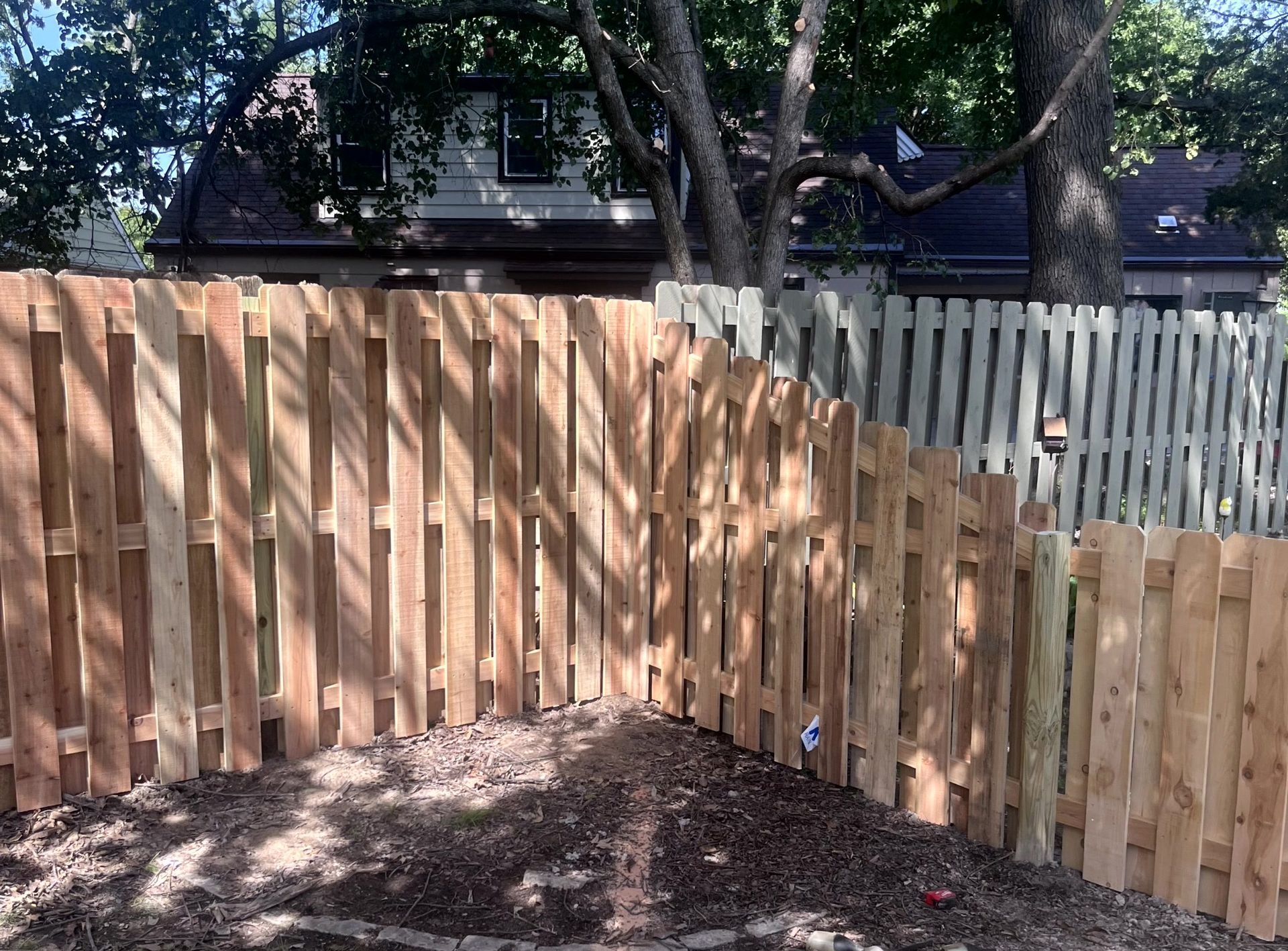
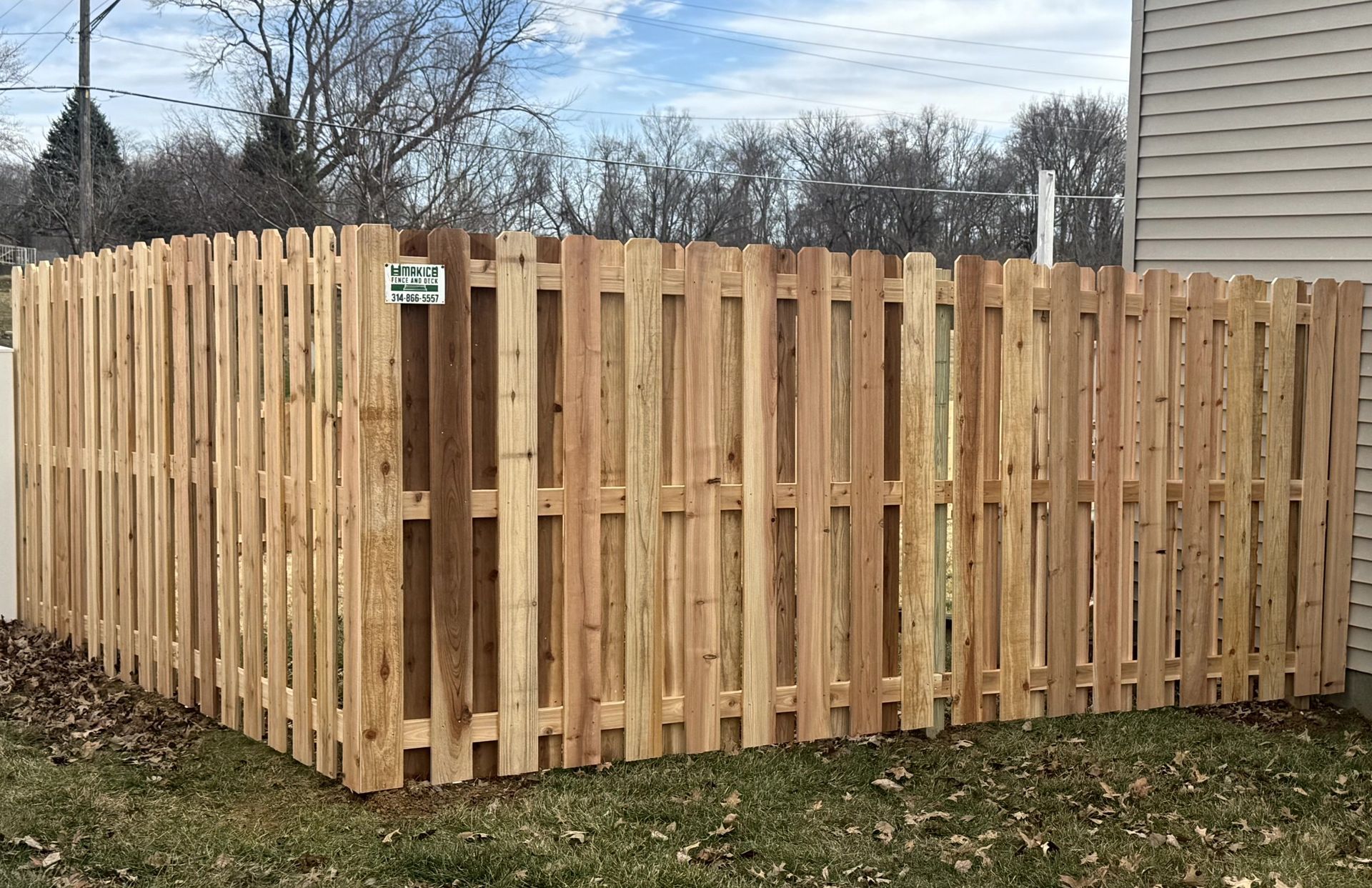
Shadow-box fencing
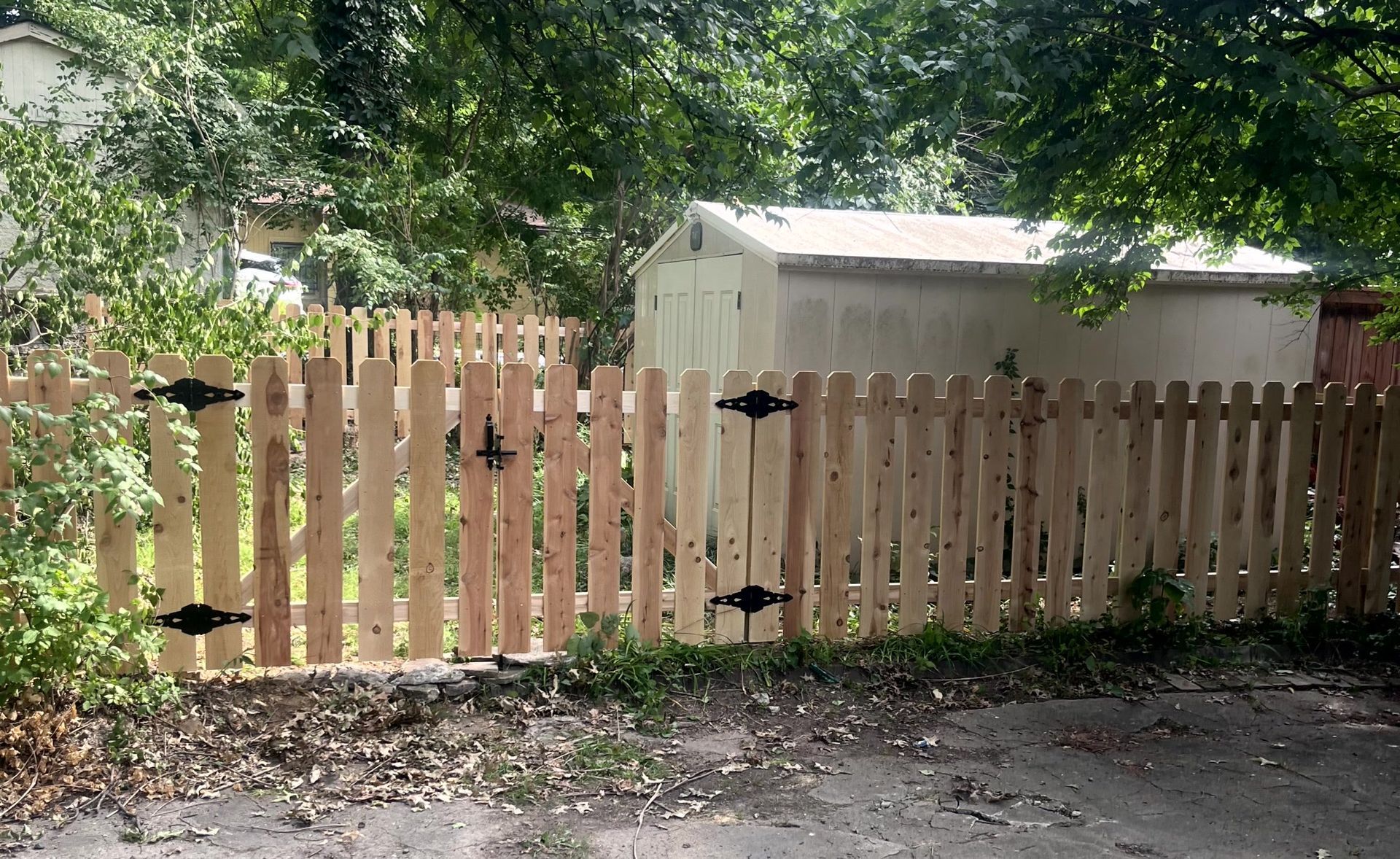
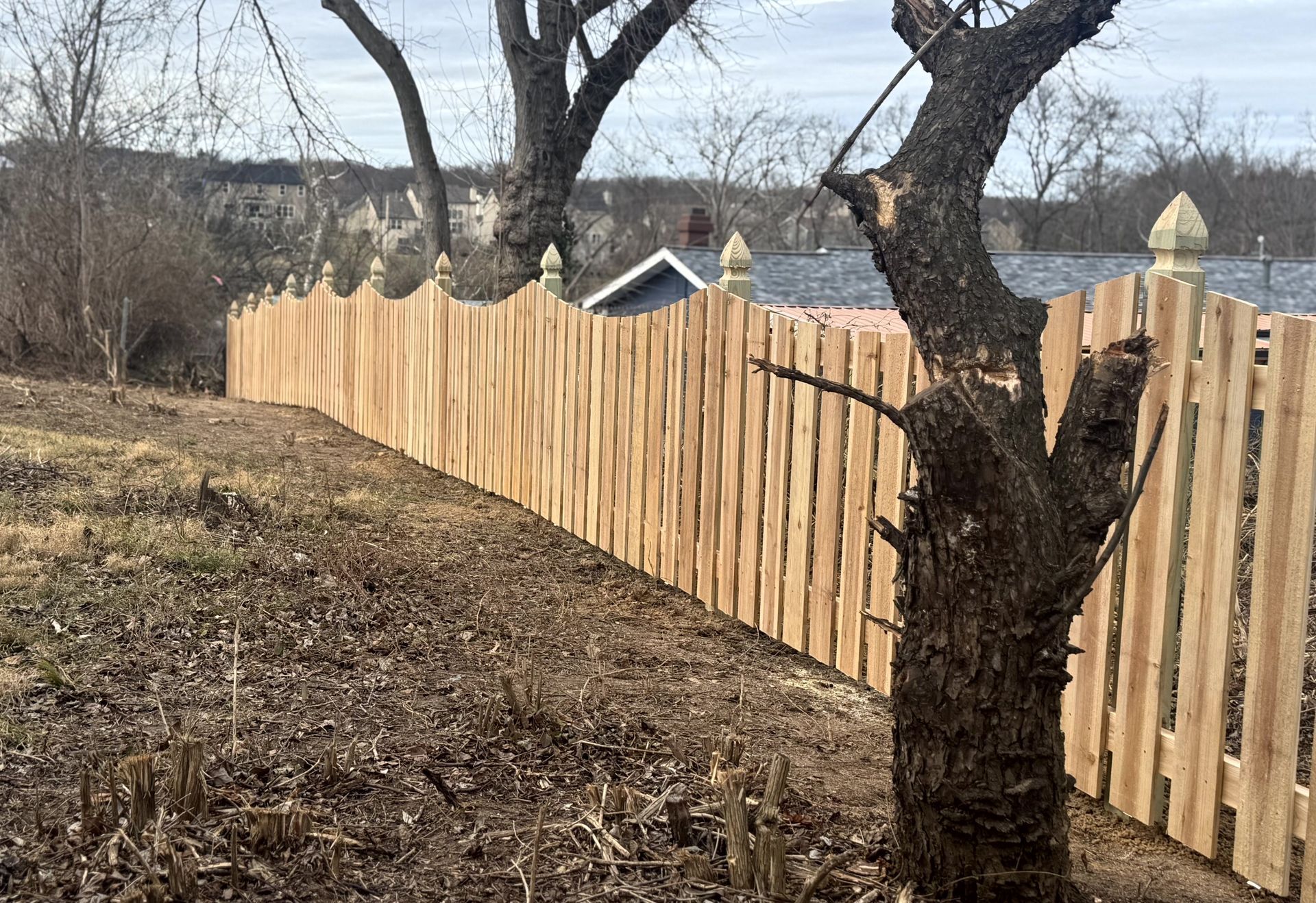
Traditional and custom picket fences
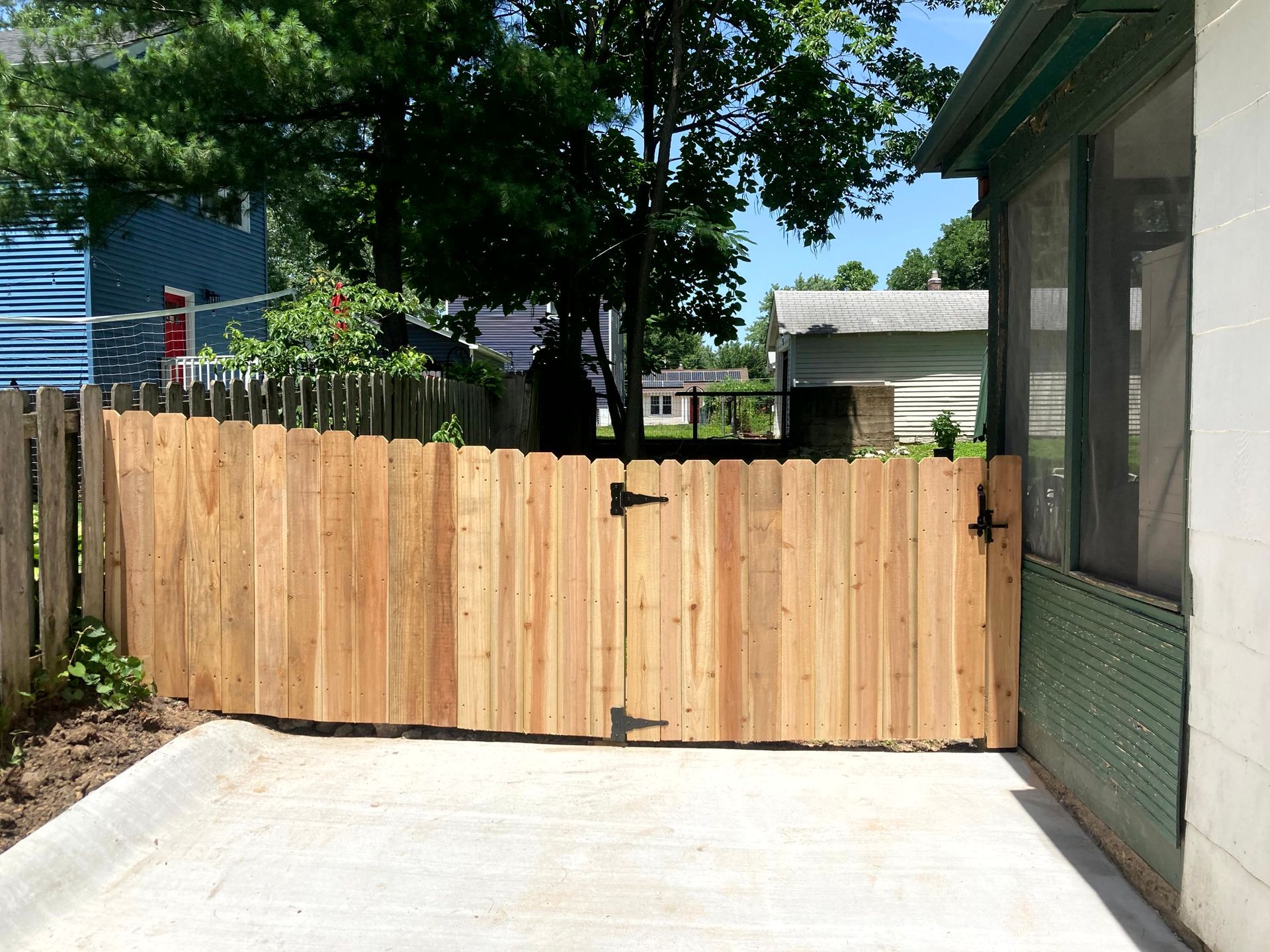
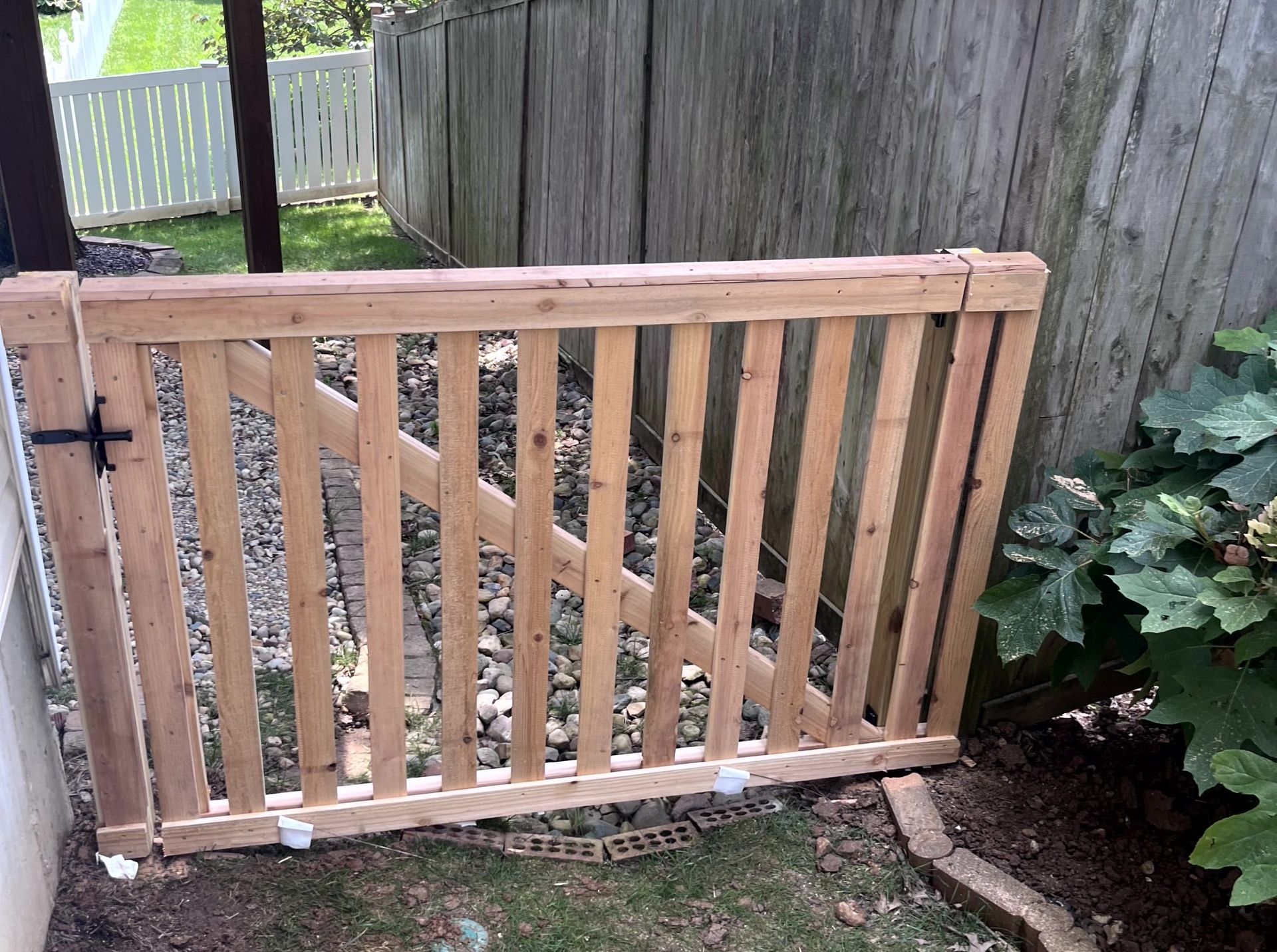
Walk gates and wider equipment gates
Replacement of aging fence sections
Repairs to posts, rails, pickets, and gates
Patio, utility, and equipment enclosures
Fence height, style, board placement, and gate location can be adjusted around the home and yard, subject to Crestwood’s current permit and placement requirements.
Cedar Fence Installation
Cedar is a popular choice for homeowners who want a natural-looking fence that complements established homes, landscaping, patios, and outdoor living areas.
Cedar works especially well for:
Full backyard privacy
Board-on-board fencing
Cap-and-trim designs
Decorative picket fences
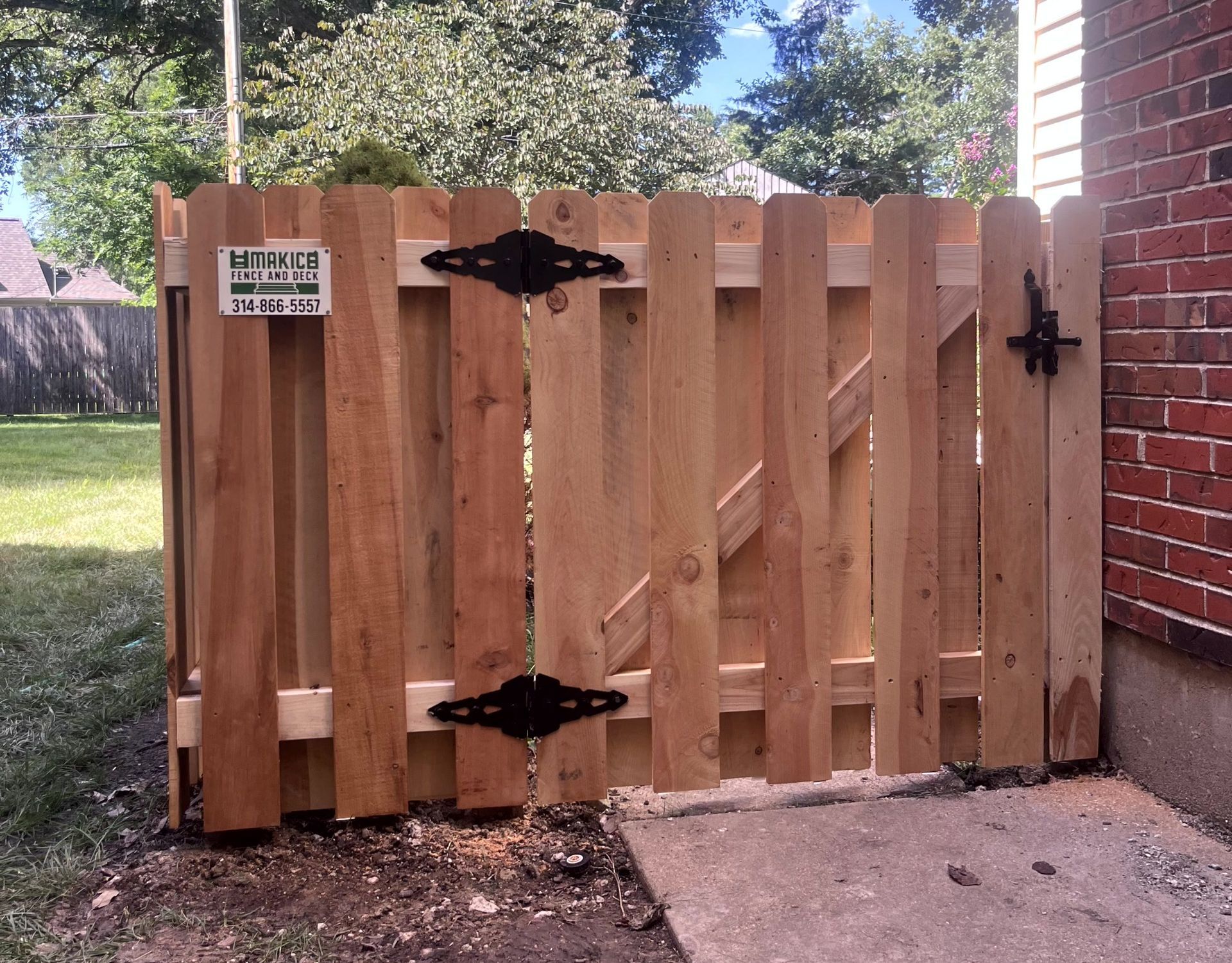
Custom gates
Pool-equipment screens
Air-conditioning and utility enclosures
Cedar naturally changes color as it ages. Homeowners who want to preserve more of its original appearance should plan to stain or seal the fence after the wood has had enough time to dry.
Treated-Pine Fence Installation
Pressure-treated pine is a practical option for customers who want a traditional wood fence at a different initial material cost than cedar.
It is commonly used for:
Backyard privacy
Dog and family yard enclosures
Longer fence runs
Rental properties
Side-yard fencing
Functional commercial areas
Replacement of older wood fences
Treated pine may shrink, check, twist, or change color as it dries. Proper post setting, rail support, board spacing, and gate construction all affect how the fence performs over time.
Privacy Fence Styles for Crestwood Properties
Privacy is one of the main reasons homeowners choose wood fencing. The right style depends on how much screening is needed, how the yard is shaped, and how the fence should match the home.
Standard privacy fencing
A familiar design using vertical boards attached to horizontal rails. It provides dependable screening at a practical price.
Board-on-board fencing
Overlapping boards help maintain more consistent privacy as wood naturally expands and contracts.
Shadow-box fencing
Alternating boards allow more airflow and partial visibility while still creating separation between properties.
Cap-and-trim fencing
A finished top cap and trim boards give the fence a more detailed architectural appearance.
We explain the differences clearly so customers can choose a style based on privacy, appearance, maintenance, and budget.
Wood Fencing on Sloped or Established Lots
Many Crestwood yards are not perfectly flat. Mature landscaping, retaining walls, drainage areas, trees, and elevation changes can affect the fence layout.
Depending on the property, the fence may need to:
Follow gradual changes in grade
Step down across a steeper slope
Work around retaining walls or landscaping
Connect to an existing fence
Avoid excessive soil contact
Limit gaps beneath the boards
Place gates on more level ground
We review these conditions before finalizing the layout. Careful planning helps the fence look intentional and reduces problems with pets, ground clearance, and gate operation
Custom Wood Gates
A gate is one of the most-used parts of a fence and needs proper support from the beginning.
We install:
Standard walk gates
Wider mower gates
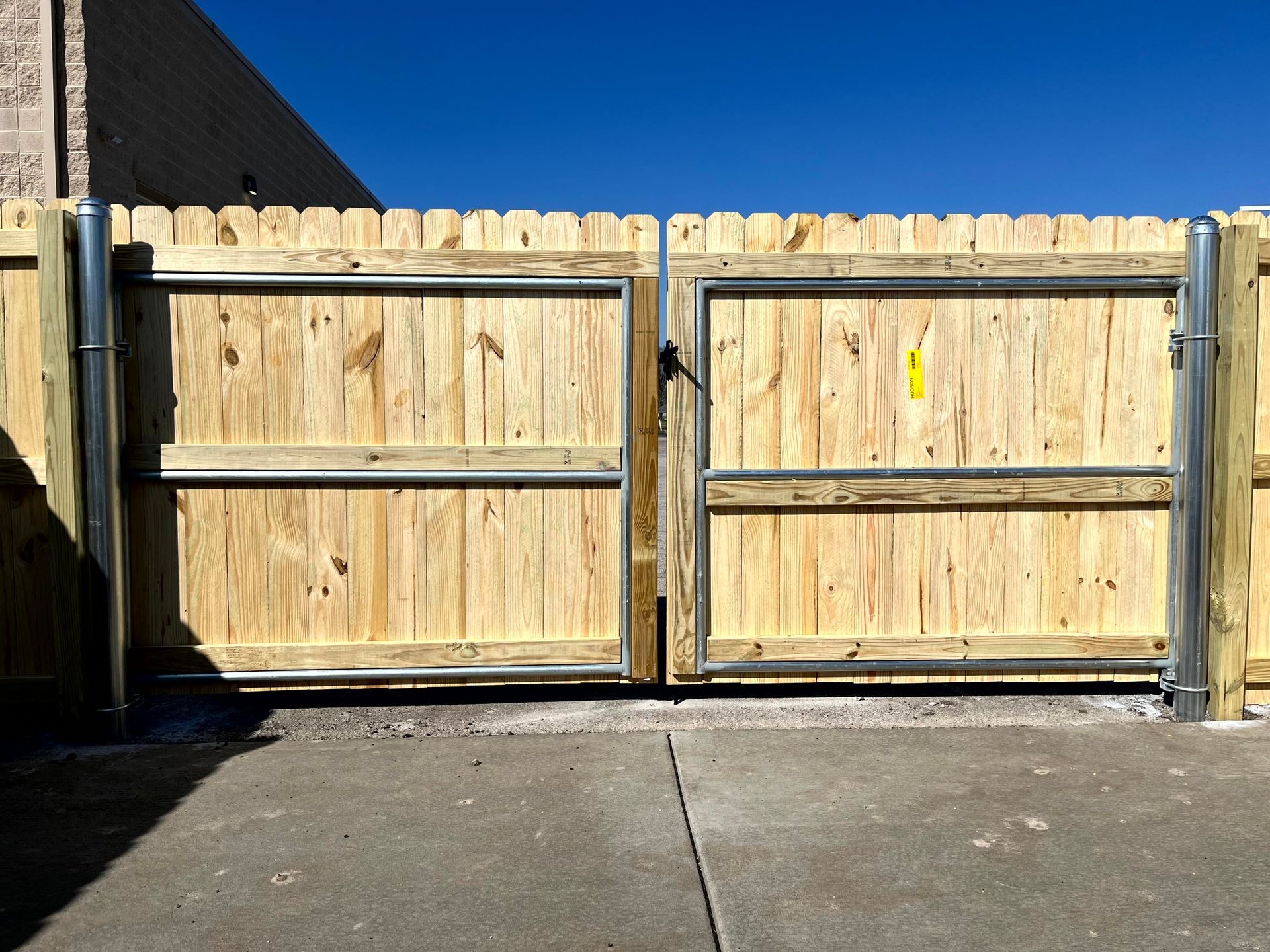
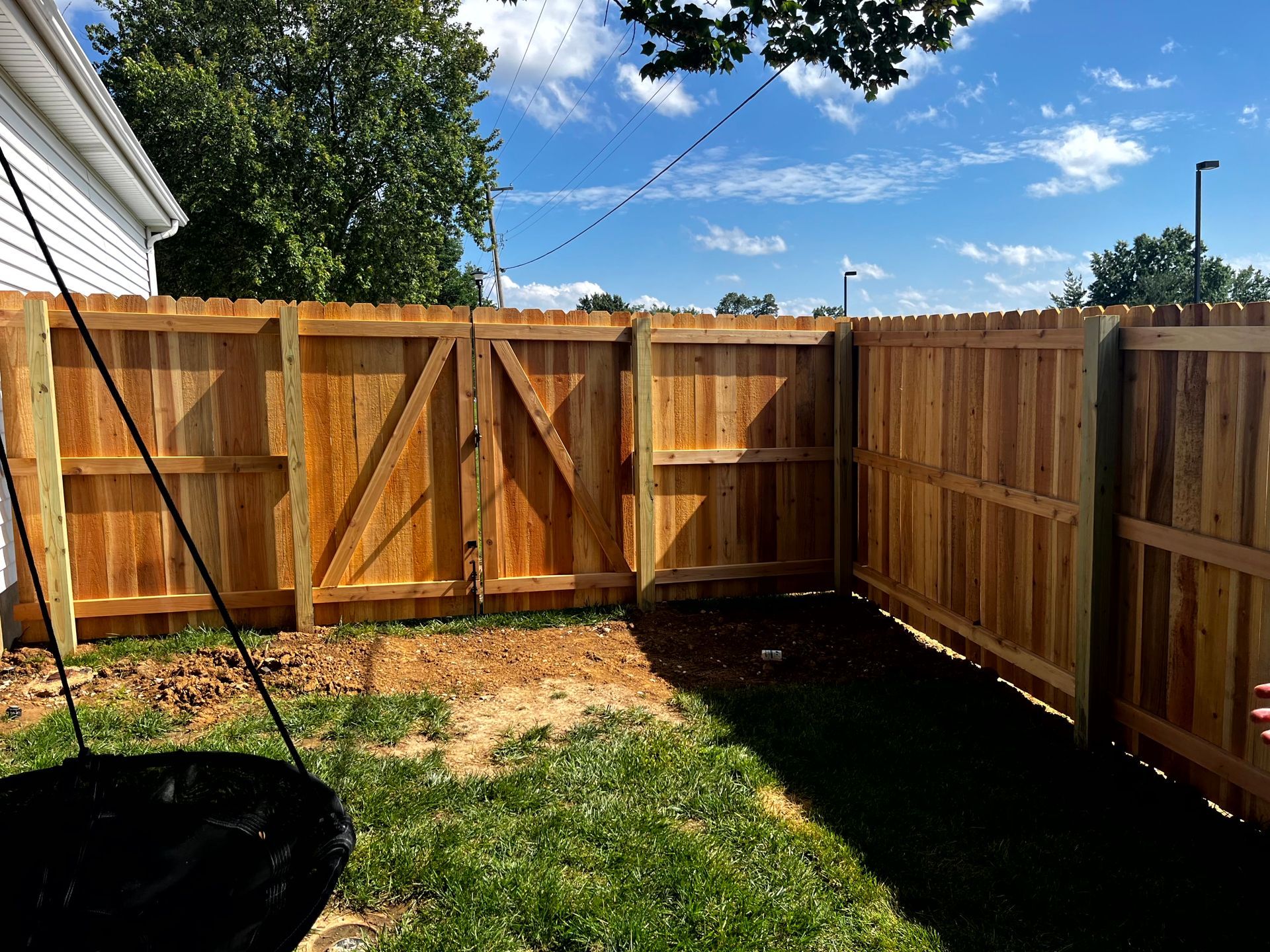
Double-drive gates
Replacement wood gates
Gates between separate yard areas
Access gates for trailers or equipment
The opening width, supporting posts, framing, hinges, latch, and nearby ground elevation all matter. A wider gate should have stronger support so it does not sag or fall out of alignment.
Wood Fence Repair in Crestwood
An older wood fence does not always need complete replacement. When the surrounding structure is still usable, targeted repairs can restore function and extend the life of the fence.
Our wood fence repair services may include:
Replacing rotted or broken posts
Straightening leaning sections
Replacing damaged rails
Installing missing or broken pickets
Reattaching loose boards
Repairing sagging gates
Replacing hinges, latches, and hardware
Rebuilding storm-damaged sections
Repairing branch, vehicle, or equipment damage
Replacing one side or section of an existing fence
Limited repairs may be treated differently from larger replacements under Crestwood’s current rules. When a repair becomes extensive, the project may need to meet the same requirements as a new fence.
Can Part of an Existing Fence Be Replaced?
Yes. One section, one side, several posts, or a gate can often be replaced while the remaining fence stays in place.
Partial replacement may be reasonable when:
Most of the fence remains structurally sound
Damage is concentrated in one area
The existing style can be matched closely
The current layout still works
The customer wants to preserve usable sections
New wood will usually look different from older weathered material at first. The color may become closer over time, but an exact match cannot be guaranteed.
Should a Wood Fence Be Repaired or Replaced?
Repair may make sense when:
Only a few posts or rails are damaged
Most of the fence remains stable
The fence still provides the needed privacy
A gate or one section is the main issue
The existing layout works for the property
Replacement may be more practical when:
Posts are failing throughout the fence
Several sections are leaning
Rails and boards show widespread deterioration
Previous repairs are no longer dependable
The homeowner wants a different height or style
The fence no longer encloses the yard properly
We explain both options honestly when either repair or replacement could be reasonable.

Crestwood Fence Permits and Local Rules
New residential fences in Crestwood generally require a city permit. Residential fences are typically limited to 6 feet in height, and the finished side of the fence should face outward toward neighboring properties or public areas.
Fence placement may also be affected by:
Front-yard restrictions
Corner-lot visibility
Driveway sight lines
Property boundaries
Utility easements
Drainage routes
HOA or subdivision rules
Swimming-pool requirements
Corner lots often require extra planning because setbacks and visibility rules can change depending on the street, driveway, and fence location.
Makic Fence and Deck can help with permit preparation when it is included in the project scope. The homeowner should provide an accurate survey or plot plan when required.
What Is a Utility Easement?
A utility easement is an area of private property reserved for utility access. It is often shown on the property survey and may run along a rear or side property line.
A fence can sometimes be installed in an easement, but the homeowner should understand the risk. If a utility company needs access later, it may have to remove or disturb the fence. Restoring the fence may become the homeowner’s responsibility.
A wider gate can help utility crews reach a rear-yard easement without taking down part of the fence. On larger lots, staying outside the easement may be the simplest choice. On smaller properties, homeowners may decide that using the space is worth the risk.
How Are Utilities Marked Before Installation?
Makic Fence and Deck requests public utility markings before fence-post excavation begins. The paint and flags show the approximate location of public underground utilities, not the exact position.
Our crew uses extra caution and may hand-dig near marked utilities.
Public utility locating usually does not mark private lines, such as:
Sprinkler and irrigation systems
Landscape lighting
Invisible dog fences
Pool lines
Gas grill lines
Private electric or water lines to detached garages, sheds, or other structures
The homeowner should tell us about known private utilities and arrange for them to be marked when necessary.
Why Crestwood Homeowners Choose Makic Fence and Deck
Makic Fence and Deck provides the professional experience and communication customers expect from an established contractor, along with the accountability and personal attention of a family-owned business.
Customers choose us for:
Experienced in-house installers
Fence posts set in concrete
Cedar and treated-pine options
New installation and repair services
Custom gates and fence layouts
Public utility locating before digging
Clear written estimates
Honest repair recommendations
Professional jobsite cleanup
Removal and haul-away when included
A minimum one-year labor warranty
No hidden additions without discussion
We focus on building a fence that fits the property and solves a practical need rather than selling the same design to every customer.
Explore nearby communities and services on our South County fence and deck service-area page.
Frequently Asked Questions About Wood Fencing in Crestwood
Do I need a permit for a new wood fence in Crestwood?
Yes. New residential fence installations in Crestwood generally require a city permit. The exact requirements depend on the fence location, height, property layout, and whether the property is a corner lot.
How tall can a residential fence be in Crestwood?
Residential fencing is generally limited to 6 feet in height. Certain locations or special situations may have additional restrictions.
Which side of the fence should face the neighbor?
The finished or decorative side should face outward. Posts, rails, and framing generally face the property being enclosed.
Can you repair only part of a wood fence?
Yes. Posts, rails, pickets, gates, or individual sections can often be repaired when the surrounding fence remains structurally sound.
Does a small fence repair require a permit?
Limited repairs may not require a permit when they stay within Crestwood’s repair rules and use the same material, color, height, and location. Larger repairs or replacements may require city approval.
Can wood fencing be installed on a sloped yard?
Yes. Wood fencing can be stepped or adjusted to follow many changes in grade. The right approach depends on the slope, fence style, and desired ground clearance.
Are all fence posts set in concrete?
Yes. All fence posts installed by Makic Fence and Deck are set in concrete for secure support.
Do you have public utilities marked before digging?
Yes. We request public utility markings before excavation begins. Our installers use extra care and may hand-dig near marked areas.
Who is responsible for marking sprinkler lines and other private utilities?
The homeowner is responsible for identifying private lines such as sprinkler systems, landscape lighting, invisible dog fences, pool lines, gas grill lines, and private utilities serving detached buildings.
Can a fence be installed in a utility easement?
It may be possible, but the homeowner accepts the risk that a utility company may need access later. A fence or other improvement inside an easement could be disturbed or removed during utility work.
Can a 6-foot wood fence help keep deer out?
A 6-foot fence can be a strong deterrent and may keep deer out of many residential yards. It is not a guaranteed deer barrier in areas with heavy deer activity.
Whether you need a cedar privacy fence, treated-pine enclosure, custom gate, or repairs to an existing wood fence, Makic Fence and Deck can inspect the property and provide a clear written proposal.
Call 314-866-5557 or submit the website request form to schedule a wood fence installation or repair estimate in Crestwood, Missouri.
